

Anxiety
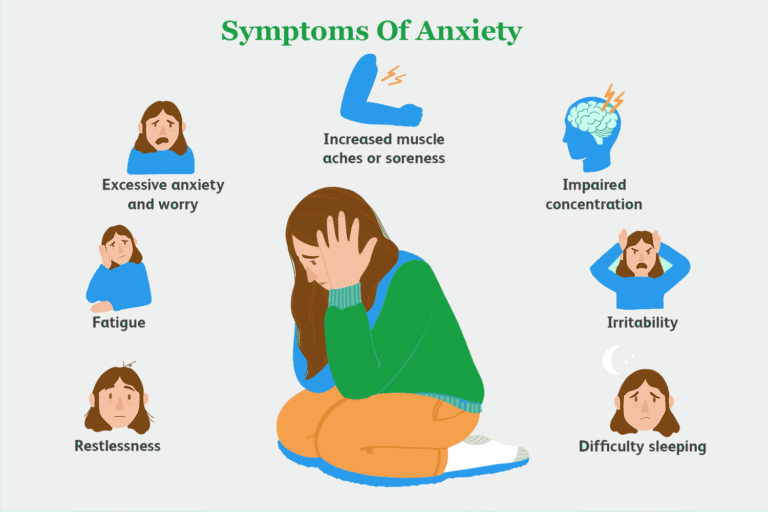
Anxiety is a common mental health condition characterized by feelings of excessive worry, fear, and unease. It goes beyond normal everyday stress and can significantly impact a person’s daily life. Individuals with anxiety often experience physical symptoms such as increased heart rate, sweating, trembling, and difficulty concentrating. Anxiety can manifest in various forms, including generalized anxiety disorder (GAD), panic disorder, social anxiety disorder, and specific phobias. Treatment options for anxiety may include therapy, medication, lifestyle changes, and self-care practices to manage symptoms and improve overall well-being.
Causes
- Stress: High levels of stress from work, school, relationships, or other life events can contribute to the development of anxiety.
- Genetics: Research suggests that individuals with a family history of anxiety may be more likely to experience it themselves.
- Trauma: Experiencing a traumatic event, such as physical or emotional abuse, a car accident can trigger anxiety symptoms.
- Substance abuse: Alcohol, drugs, and certain medications can induce or exacerbate anxiety symptoms.
- Brain chemistry: Imbalances in brain chemicals, such as serotonin and dopamine, can affect mood regulation
Treatments
Anxiety treatment involves a range of approaches aimed at reducing the symptoms and improving the overall well-being of individuals experiencing anxiety disorders. Here are some commonly used treatments:
- Therapy: Psychotherapy, particularly cognitive-behavioral therapy (CBT), is a widely recommended approach for anxiety. CBT helps individuals identify and challenge negative thought patterns and behaviors associated with anxiety, replacing them with healthier and more adaptive responses.
- Medication: Certain medications, such as selective serotonin reuptake inhibitors (SSRIs) or benzodiazepines, may be prescribed by a qualified healthcare professional to help manage anxiety symptoms. These medications can help regulate brain chemistry and reduce excessive worry or fear.
- Relaxation techniques: Techniques like deep breathing exercises, progressive muscle relaxation, meditation, and mindfulness can be effective in calming the mind and relaxing the body, thereby reducing anxiety levels.
- Lifestyle modifications: Incorporating healthy lifestyle habits like regular exercise, a balanced diet, adequate sleep, and minimizing caffeine and alcohol intake can significantly contribute to managing anxiety symptoms.
- Support network: Building a support network of family, friends, or support groups can provide emotional support and reassurance, making it easier to cope with anxiety.
- Stress management: Learning stress management techniques, such as time management, setting realistic goals, and prioritizing self-care, can help minimize anxiety triggers and enhance overall resilience.
- Exposure therapy: This form of therapy gradually exposes individuals to anxiety-provoking situations in a controlled and supportive environment, helping them become desensitized to the triggers and reducing anxiety over time.
It’s important to note that the most effective treatment plan for anxiety may vary from person to person, and it’s advisable to consult with a qualified healthcare professional to determine the most suitable approach based on individual needs and circumstances.